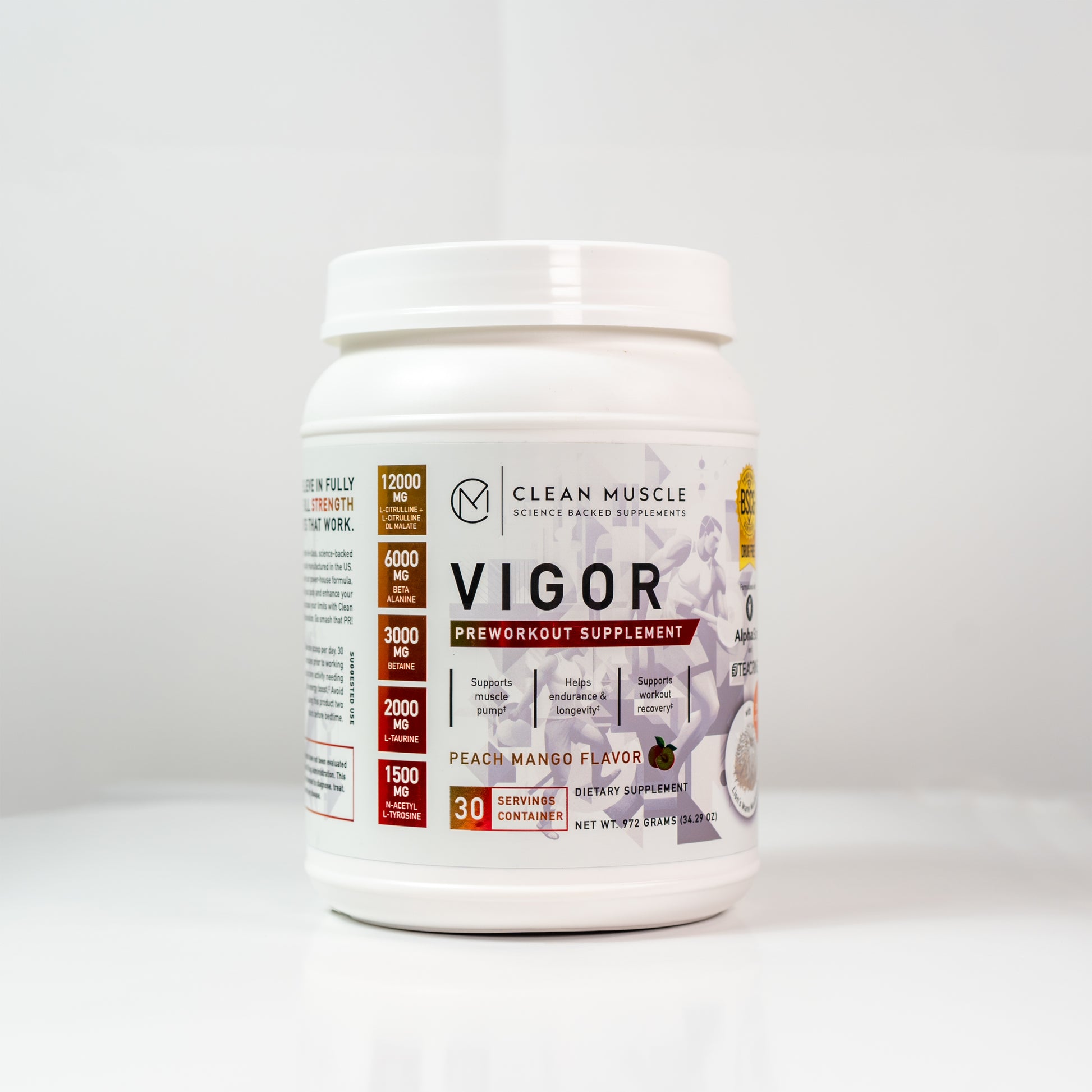
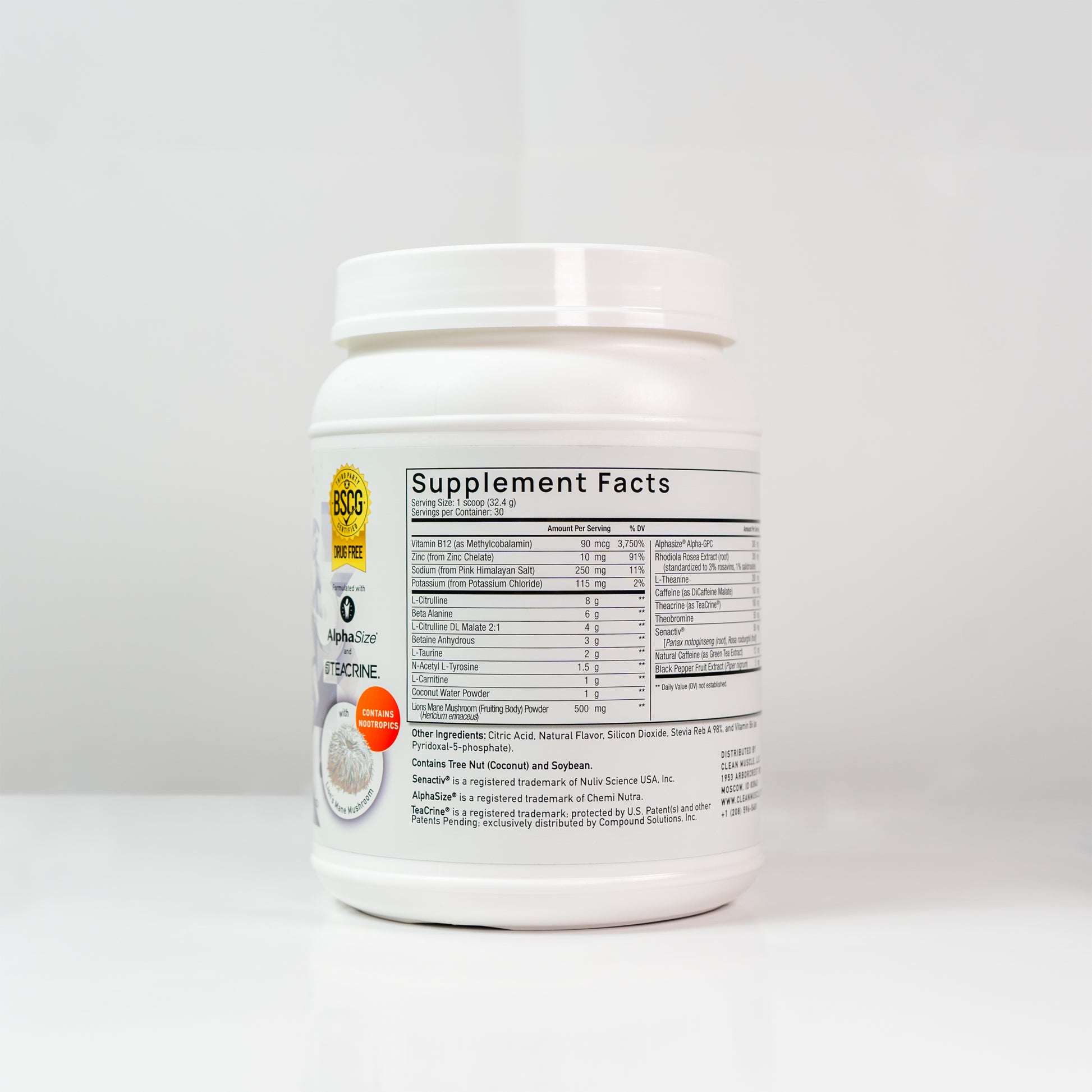
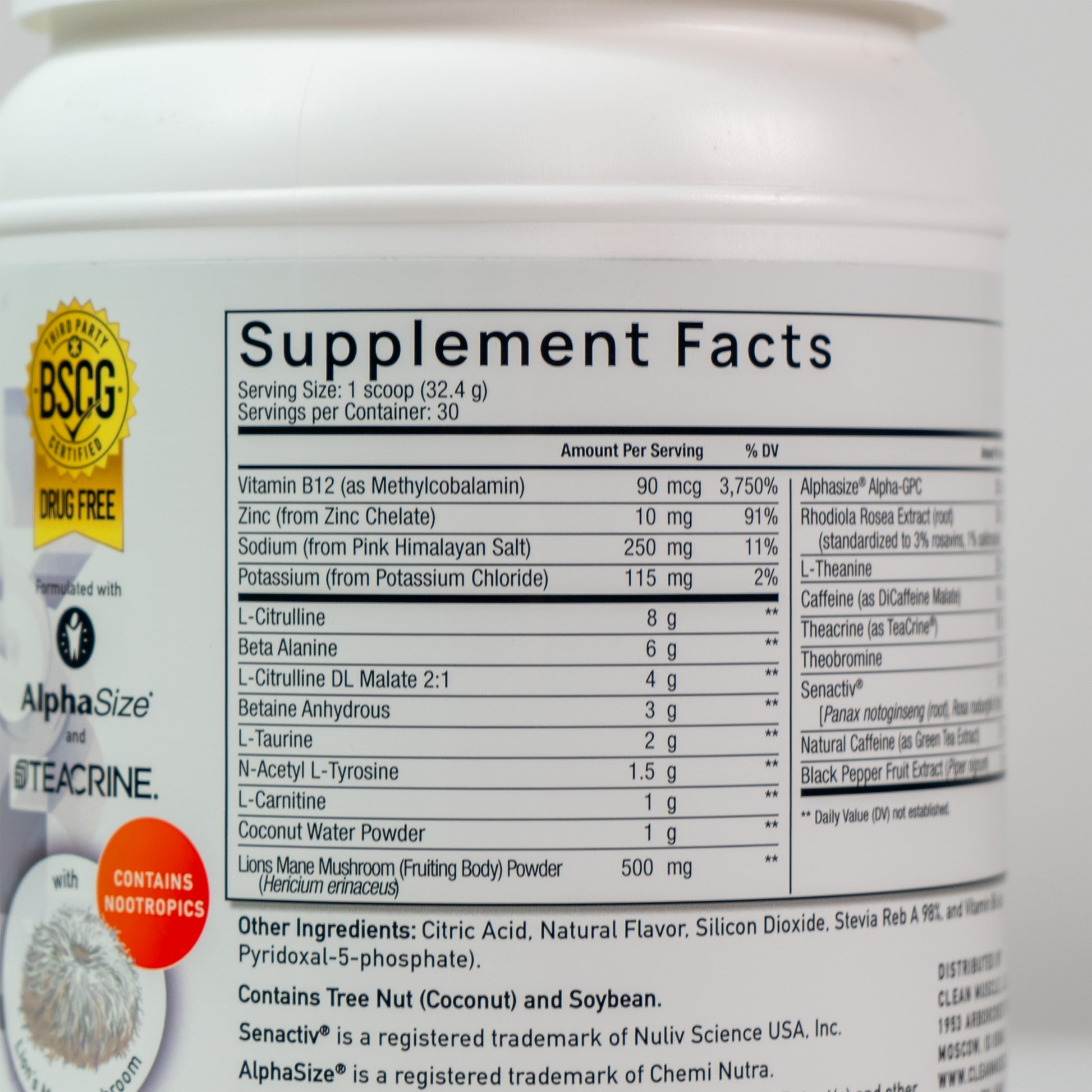
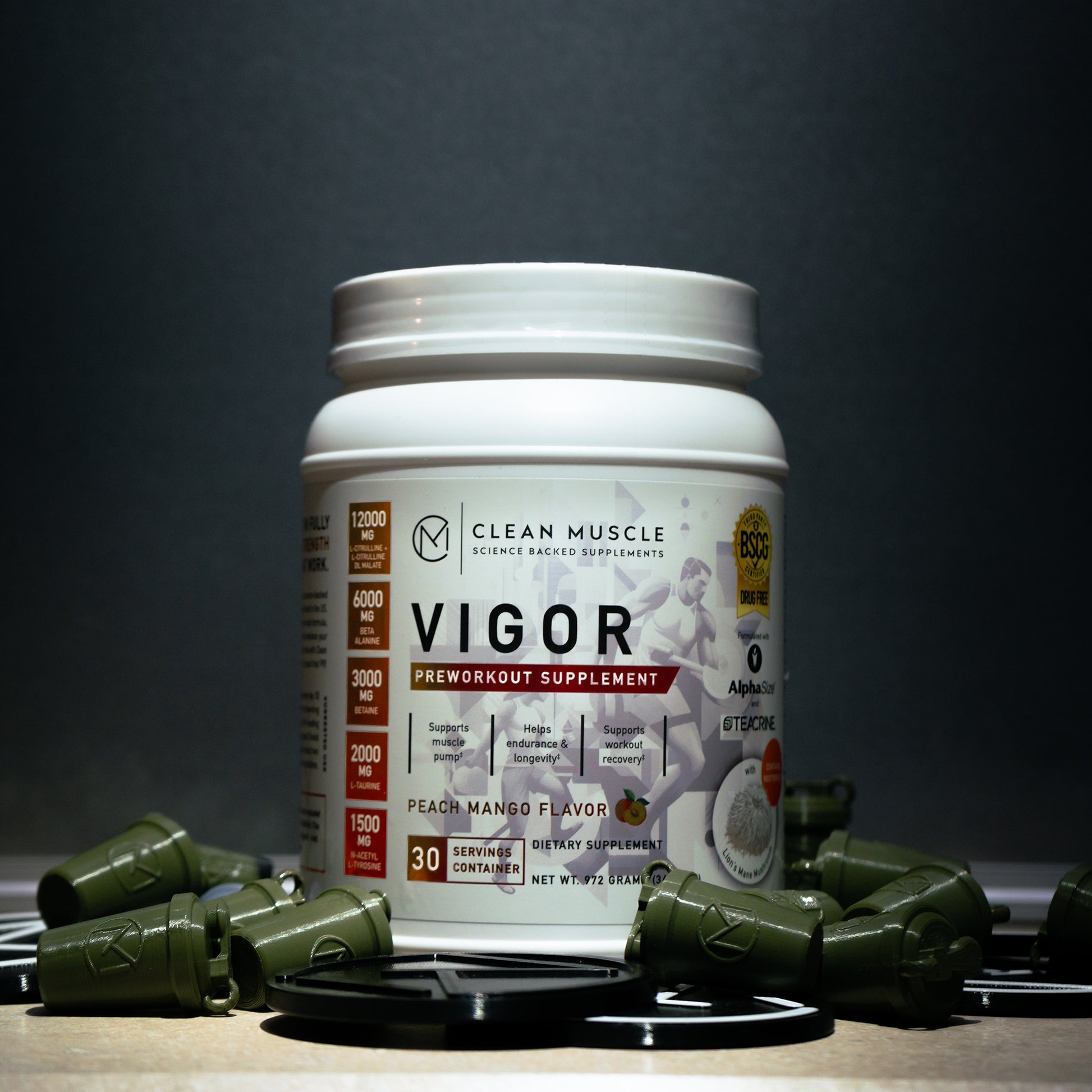
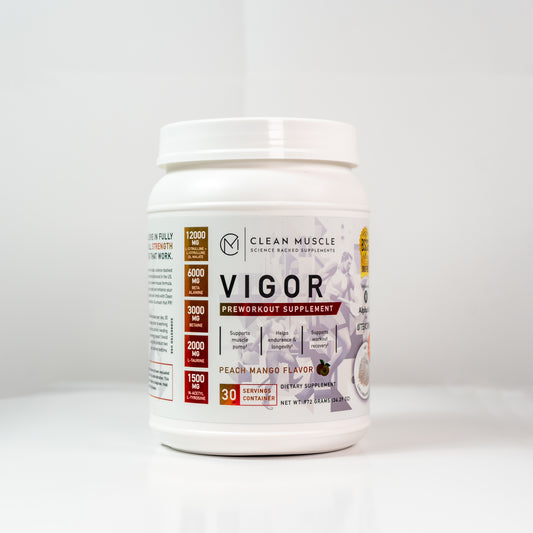
12,000 mg
L-Citrulline + DL Malate
A nitric oxide enhancer that widens blood vessels, improving blood flow and oxygen uptake. An ergogenic aid that increases strength and enhances branched-chain amino acid (BCAA) utilization during resistance training. Shown to enhance athletic anaerobic performance and relieve muscle soreness.
Key studies: Pérez-Guisado & Jakeman (2010) — J Strength Cond Res; Schwedhelm et al. (2008) — Br J Clin Pharmacol; Sureda et al. (2010) — Eur J Appl Physiol
6,000 mg
Beta-Alanine
Reduces lactic acid accumulation in muscles, prolonging endurance and delaying muscular fatigue. Clinical doses of 4–6g over 2–4+ weeks are shown to increase muscular strength, lean mass, and decrease body fat. Like creatine, consistent use builds full efficacy over time.
Key studies: Stout et al. (2008) — J Int Soc Sports Nutr; Hoffman et al. (2006) — Int J Sport Nutr Exerc Metab; Kern & Robinson (2011) — J Strength Cond Res
3,000 mg
Betaine Anhydrous
Improves cellular hydration via methyl groups that balance fluid levels around cells. Enhances rehydration, endurance, and nutrient absorption — increasing total repetitions and training volume. Comparable mechanism to creatine for muscle protein synthesis.
Key studies: Hoffman et al. (2009) — J Int Soc Sports Nutr; Cholewa et al. (2013) — J Int Soc Sports Nutr; Trepanowski et al. (2011) — J Strength Cond Res
2,000 mg
L-Taurine
An amino acid that competes with Beta-Alanine for the same transporter — making taurine supplementation essential alongside Beta-Alanine to prevent deficiency. Shown to significantly reduce next-day muscle soreness and protect against exercise-induced oxidative stress.
Key studies: Niu et al. (2018) — Mol Med Rep; Ra et al. (2013) — Adv Exp Med Biol
1,500 mg
N-Acetyl L-Tyrosine
Increases dopamine and adrenaline release, improving exercise tolerance, motivation, and mental focus. The acetylated form of L-Tyrosine provides significantly improved absorption and prolonged effectiveness vs. standard L-Tyrosine.
Key studies: Neri et al. (1995) — Aviat Space Environ Med; Jongkees et al. (2014) — Front Psychol
1,000 mg
L-Carnitine
Enhances exercise performance while reducing blood lactate accumulation and oxidative stress responses to resistance training. Supports muscle recovery and reduces exercise-induced damage, allowing faster return to peak performance.
Key studies: Fielding et al. (2018) — Nutrients
1,000 mg
Coconut Water Powder
A natural electrolyte source, freeze-dried to preserve all nutrients. Provides additional hydration support alongside sodium and potassium. Shown to be as effective as commercial sports drinks for rehydration and physical performance.
Key studies: Kalman et al. (2012) — J Int Soc Sports Nutr
500 mg
Lion’s Mane Mushroom Powder
A clinically studied nootropic mushroom that reduces fatigue, increases energy levels, and improves blood flow to muscles. Also strengthens mental focus and the mind-muscle connection critical for building muscle. Shown to improve cognitive performance and reduce stress in a double-blind study.
Key studies: Docherty et al. (2023) — Nutrients (double-blind, parallel groups)
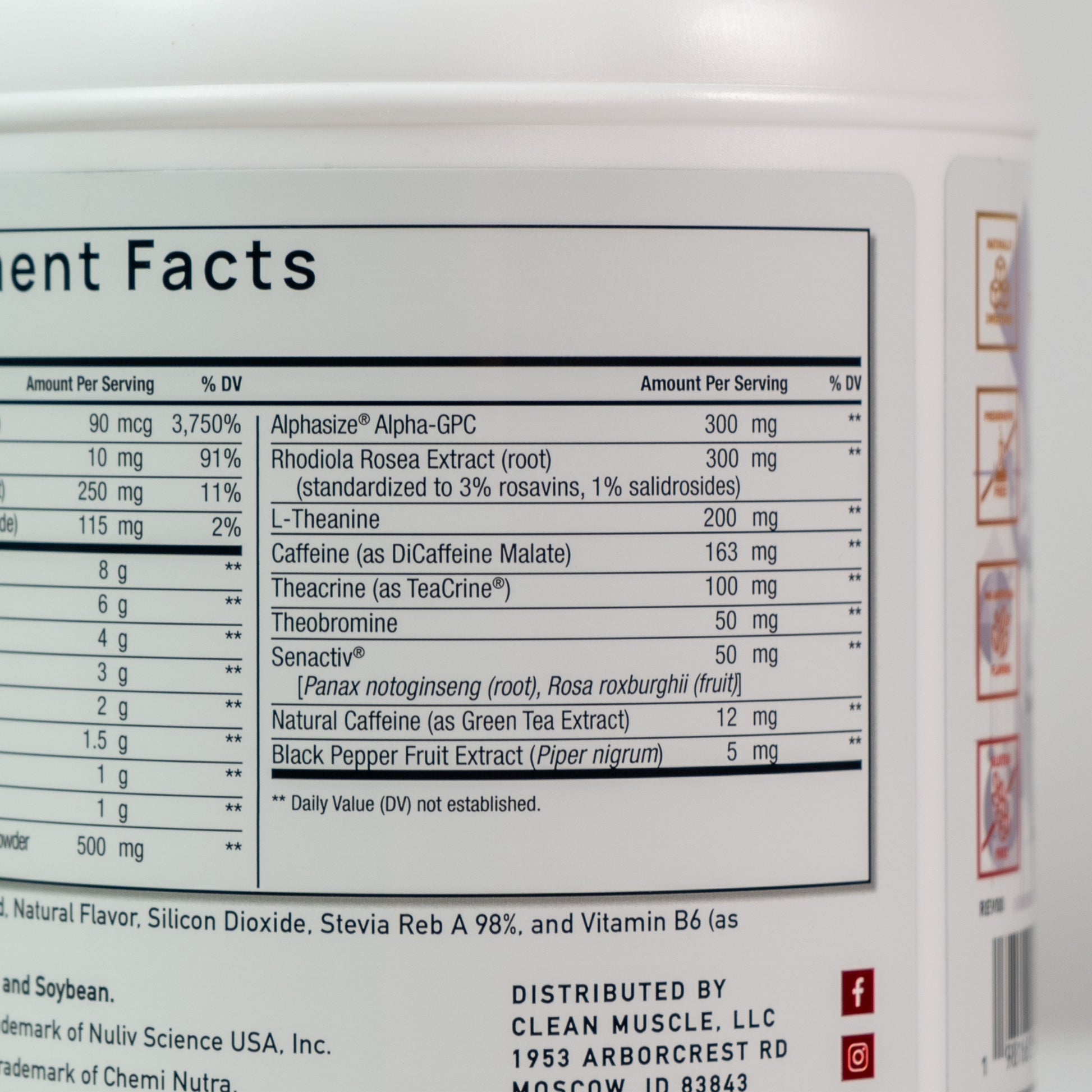
300 mg
AlphaSize® Alpha-GPC Choline
A patented, highly bioavailable form of Alpha-GPC. Creates acetylcholine for superior cognitive function and neurotransmission. Multiple human studies confirm improved mental and physical performance, especially when taken with caffeine — making it an ideal nootropic and ergogenic pre-workout compound.
Key studies: Bellar et al. (2015) — J Int Soc Sports Nutr (NCBI: PMC4595381)
300 mg
Rhodiola Rosea Extract (Root)
A powerful adaptogen shown to protect cells from damage, improve athletic performance, and increase strength. Enhances endurance and anaerobic exercise capacity when taken pre-workout, keeping you “in the zone” for extended periods.
Key studies: Liu et al. (2023) — Nutrients; Duncan & Clarke (2014) — J Sports Med
200 mg
L-Theanine
Found naturally in tea leaves. Increases GABA release, promoting calm, focused energy without jitteriness. Pairs synergistically with caffeine to sharpen cognitive performance while smoothing out the stimulant experience — reducing psychological and physiological stress responses.
Key studies: Kimura et al. (2007) — Biol Psychol; Kelly et al. (2008) — J Nutr
163 mg
Caffeine (as DiCaffeine Malate)
Caffeine bonded to malic acid — 75% caffeine, 25% malic acid. Absorbs slower than caffeine anhydrous, producing sustained long-lasting energy with a smoother come-down, no crash, and reduced stomach irritation.
Key studies: Smith et al. (2010) — J Int Soc Sports Nutr
100 mg
Theacrine (as Teacrine®)
Synergizes with caffeine for extended focus and energy duration. Provides greater mental clarity under fatigue, fuels physical exertion, and reduces mental fatigue during extended training — without the tolerance buildup associated with caffeine alone.
Key studies: Bello et al. (2019) — J Int Soc Sports Nutr; Kuhman et al. (2015) — Nutrients
50 mg
Theobromine
The primary alkaloid in cocoa beans — considered caffeine’s natural complement. Contributes uniquely to mood and cognitive function, creating a smoother, more sustained stimulant experience when combined with caffeine.
Key studies: Franco et al. (2013) — Nutrients
50 mg
SenActiv® [Panax Notoginseng + Rosa Roxburghii]
A patented adaptogenic blend rich in notoginsenoside R1, shown to expedite muscle recovery following intense exercise. The Rosa roxburghii (rose hips) component amplifies the recovery-enhancing effect through a synergistic mechanism.
Key studies: Liang et al. (2005) — J Strength Cond Res
12 mg
Natural Caffeine (as Green Tea Extract)
A natural, gradual caffeine source that works alongside DiCaffeine Malate to create a smooth, prolonged energy curve. Releases more slowly than synthetic caffeine, reducing energy spikes and extending performance windows.
Key studies: Chacko et al. (2010) — Chin Med
5 mg
Black Pepper Fruit Extract
Enhances the bioavailability of all other compounds in the formula — particularly those with absorption challenges. Ensures you extract maximum benefit from every milligram in the scoop.
Key studies: Bano et al. (1991) — Eur J Clin Pharmacol; Lambert et al. (2004) — J Nutr